
PROGRAMS
STEM IMMERSION PROGRAMS
For high-performing students seeking more than academics — a high-responsibility STEM experience combining research, leadership, and real-world exposure.
Inside the Global Innovation Environment
STEM Immersion Programs
Freinet Education’s STEM Immersion Programs offer a selective, cohort-based experience for high-performing university students seeking more than traditional academic exposure.Participants engage in applied STEM work within active research environments, taking on mentorship and leadership roles in structured, team-based challenges designed to push both technical and personal capability.
Alongside this, participants gain curated exposure to innovation ecosystems — including interactions with startups, industry professionals, and emerging technologies across China’s leading hubs.
This is not passive observation — it’s a high-responsibility experience designed to develop leadership, apply technical ability in real contexts, and open pathways to global careers and networks.
Program model: A mentorship-driven system where participants take ownership of projects, lead within teams, and gain direct exposure to research and innovation environments.
Program Locations
Freinet Education maintains program coordination across multiple regions to support stable delivery and long-term operational oversight.
- Hangzhou, China (Flagship Location): primary STEM immersion hub and core program site.
-
Shanghai, China (Regional Coordination) — expanded ecosystem engagement and operational coordination
- Paris-Saclay, France (European Research & Innovation Cluster) — emerging European program environment within one of the world’s leading science and technology research hubs.
Specific session locations vary by cohort and are confirmed prior to program start.
China Innovation Environment
China Innovation Environment: Hangzhou & Shanghai
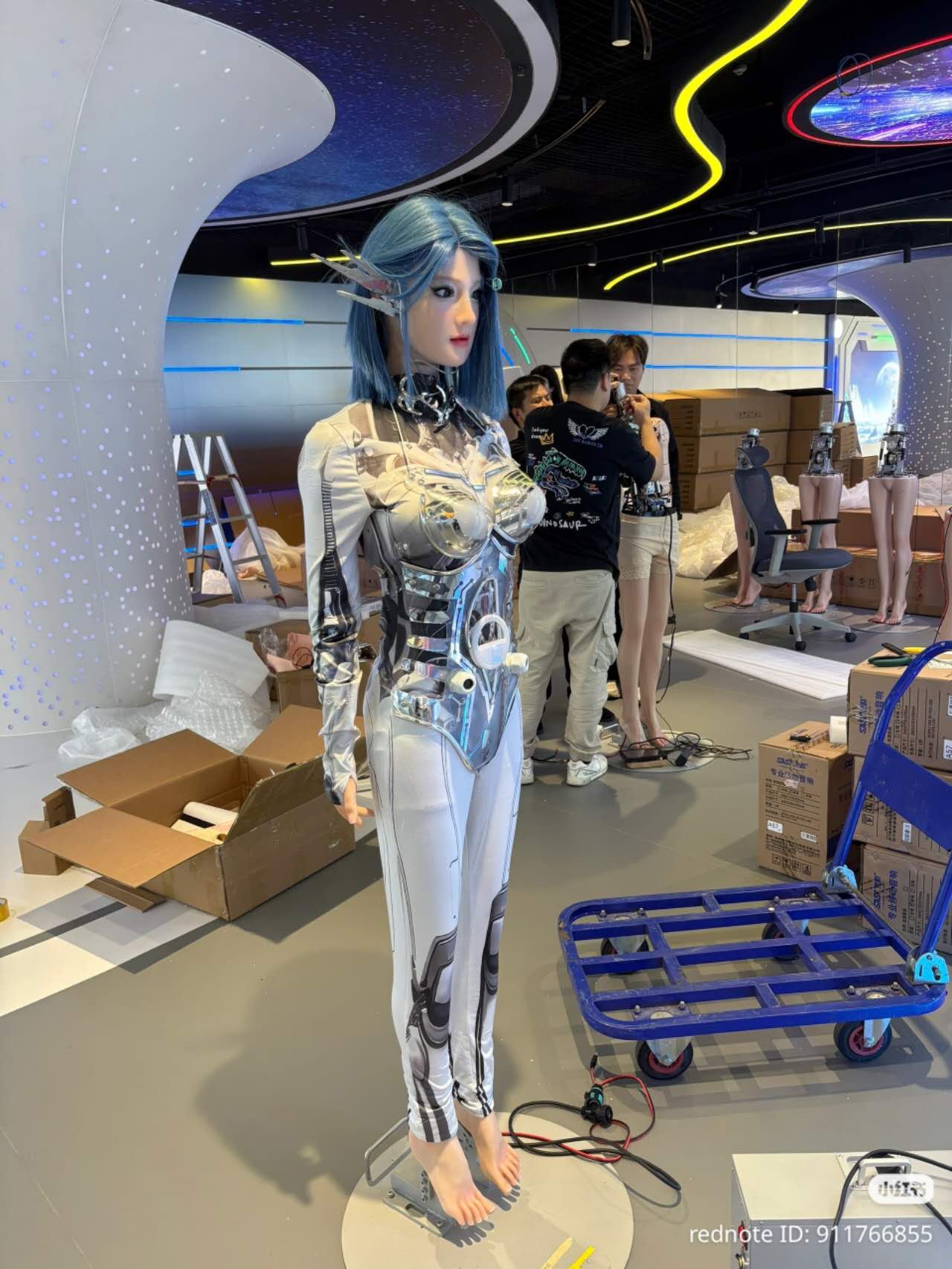
Hangzhou and Shanghai represent two of the world’s fastest-evolving technology and startup ecosystems.
From advanced AI and robotics development to high-growth startups and global tech platforms, participants are placed in environments where innovation is actively being built, funded, and scaled.
Through structured engagement, site exposure, and curated interactions, participants gain direct insight into how research transitions into real-world products, companies, and emerging industries.
European Innovation Environment
European Innovation Environment: Paris-Saclay
The Paris-Saclay cluster is one of Europe’s largest science and technology ecosystems, bringing together leading engineering schools, research laboratories, and innovation-driven companies.
Freinet Education’s European STEM immersion initiatives explore engagement opportunities within this broader research environment as part of its long-term international program development.
Program Snapshot
- Primary Program Hub: Hangzhou, China
- Seasonal Offerings: Spring and Summer cohorts (annual)
- Program Format: cohort-based intensive sessions (duration varies by session design)
- Participant Role: STEM mentor and project leader supporting structured team-based challenges
- Core Outcomes:leadership development, mentorship capability, applied project execution, and innovation ecosystem exposure
Why This Program
Freinet Education built these programs for candidates who want real responsibility inside an international innovation context — with clear structure, supervision, and academic intent.
Participants engage in structured cohorts where academic knowledge is applied through mentorship leadership, collaborative projects, and innovation ecosystem engagement.
Key elements include:
- Mentorship + Leadership in Action: guide teams through project-based STEM challenges.
- Applied STEM Exposure: connect theory to real contexts through structured labs, workshops, and innovation environments.
- Innovation Ecosystem Literacy: understand how institutions and ecosystems support research, development, and deployment.
- Distinct Outputs: projects culminate in formal presentations and structured evaluation.
Program Structure
Each cohort follows a structured model designed to balance technical engagement, mentorship responsibility, and innovation exposure.
Core Components
- STEM Mentorship & Workshops: facilitate structured workshops and guide student teams through applied learning.
- Capstone Project Leadership: lead a team from problem framing to prototype or final project output.
- Innovation Exposure: curated access to research labs, startup environments, and innovation ecosystems
- Reflection & Professional Context: guided discussion connecting technical work to ethics, systems, and real-world application.
STEM Innovation Tracks
Track 1 — Smart Cities & Digital Innovation
- Focus Areas: Computer Science, AI, IoT, Data Systems, Urban Technology
- Capstone Output: a “Smart Community / Smart District” concept model integrating automation and monitoring.
Track 2 — Sustainable Engineering & Environmental Systems
- Focus Areas: Environmental Engineering, Water Systems, Sustainable Design
- Capstone Output: an applied sustainability concept or prototype (e.g., monitoring, filtration, systems design).
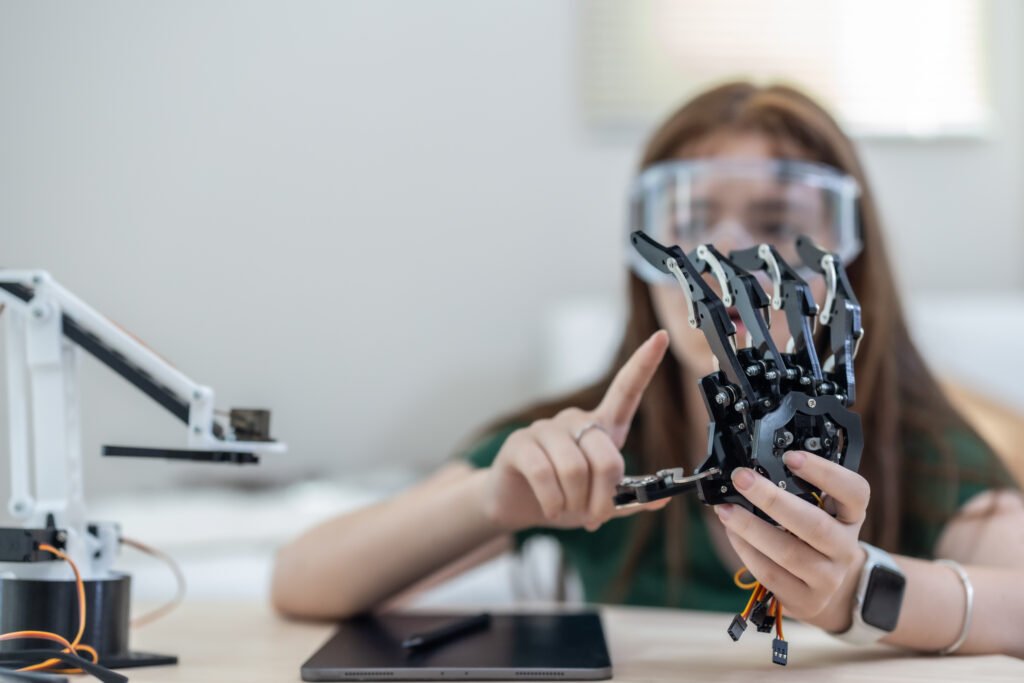
Track 3 — Robotics & Advanced Manufacturing
- Focus Areas: Mechanical Engineering, Robotics, 3D Printing, Automation
- Capstone Output: a task-specific robot developed and tested through structured engineering challenges.
Track 4 — Biotechnology & Health Technology
- Focus Areas: Biomedical Engineering, Biotechnology, Digital Health
- Capstone Output: a health-technology concept or applied investigation challenge (e.g., monitoring, diagnostics simulation).
Note: Track availability and session design vary by cohort. Final track offerings and site engagements are confirmed prior to program start.
Example Program Activities
Participants engage in structured workshops, research exposure, and collaborative STEM challenges within real-world environments.
Examples may include:
-
guided visits to research labs and technology campuses
-
startup ecosystem briefings, founder discussions, and innovation environment exposure
-
applied engineering and technical workshops
-
collaborative team-based project challenges
-
mentorship and leadership development sessions
-
cultural and institutional engagement across host cities
Detailed itineraries are shared with selected participants following the interview and cohort selection process.
Daily Program Rhythm (High-Level)
- Mornings:workshops, mentorship sessions, technical project development
- Afternoons:applied labs, ecosystem engagement, team project work
- Evenings:reflection, collaboration, structured group sessions
Learning & Leadership Outcomes
-
Cross-cultural leadership: leading teams and communicating technical ideas across contexts
-
Mentorship competence: teaching, guiding, and supporting student learning outcomes
-
Applied project execution: translating concepts into structured outputs under real constraints
-
Innovation literacy: understanding how ecosystems and institutions support applied development
-
Professional narrative: a distinctive experience rooted in responsibility and output
Program Funding Structure
Selected participants may receive full program funding depending on cohort structure and available sponsorship.
For selected participants, the program is fully funded and includes:
Included (Fully Funded)
- International airfare (round-trip)
- Housing for the full program duration
- Program-day meals and scheduled group activities
- Local transportation for official program activities
- Program instruction, workshops, and mentorship framework
- Scheduled labs / innovation ecosystem engagements (as applicable)
- On-site staff coordination and supervised program operations
- Capstone presentation structure and completion documentation (where applicable)
Not Included
- Personal expenses and discretionary spending
- Luxury purchases, shopping, or non-program entertainment
- Optional personal travel outside the program schedule
Eligibility & Candidate Profile
Freinet Education seeks candidates with strong academic foundations, maturity, and the ability to mentor responsibly in a structured international setting.
Typical Candidate Profile
- Current U.S. university undergraduate or recent graduate in a STEM discipline
- Strong academic standing and demonstrated responsibility
- Evidence of mentorship potential (teaching, tutoring, leadership, or team facilitation experience is valued)
- Ability to commit fully to the cohort schedule and program expectations
- Background and suitability screening as required for youth mentorship environments
What You’ll Need
You can begin your application in minutes — additional materials can be submitted after.
- Online application form
- Resume / CV
- Transcript (if available)
-
Optional: recommendation letter
-
Short personal statement
Selected applicants may be invited to a short conversation as part of the evaluation process. Cohorts are limited and selected through a holistic review.
Safety & Program Oversight
Freinet Education programs operate under structured supervision frameworks, coordinated staff support, and defined protocols throughout program delivery.
Request Detailed Program Information
To receive session availability, timelines, and full program materials, submit an inquiry through our information request page.
Programs are designed to provide responsibility, mentorship leadership, and applied innovation experience within real international ecosystems.